Publications

2026

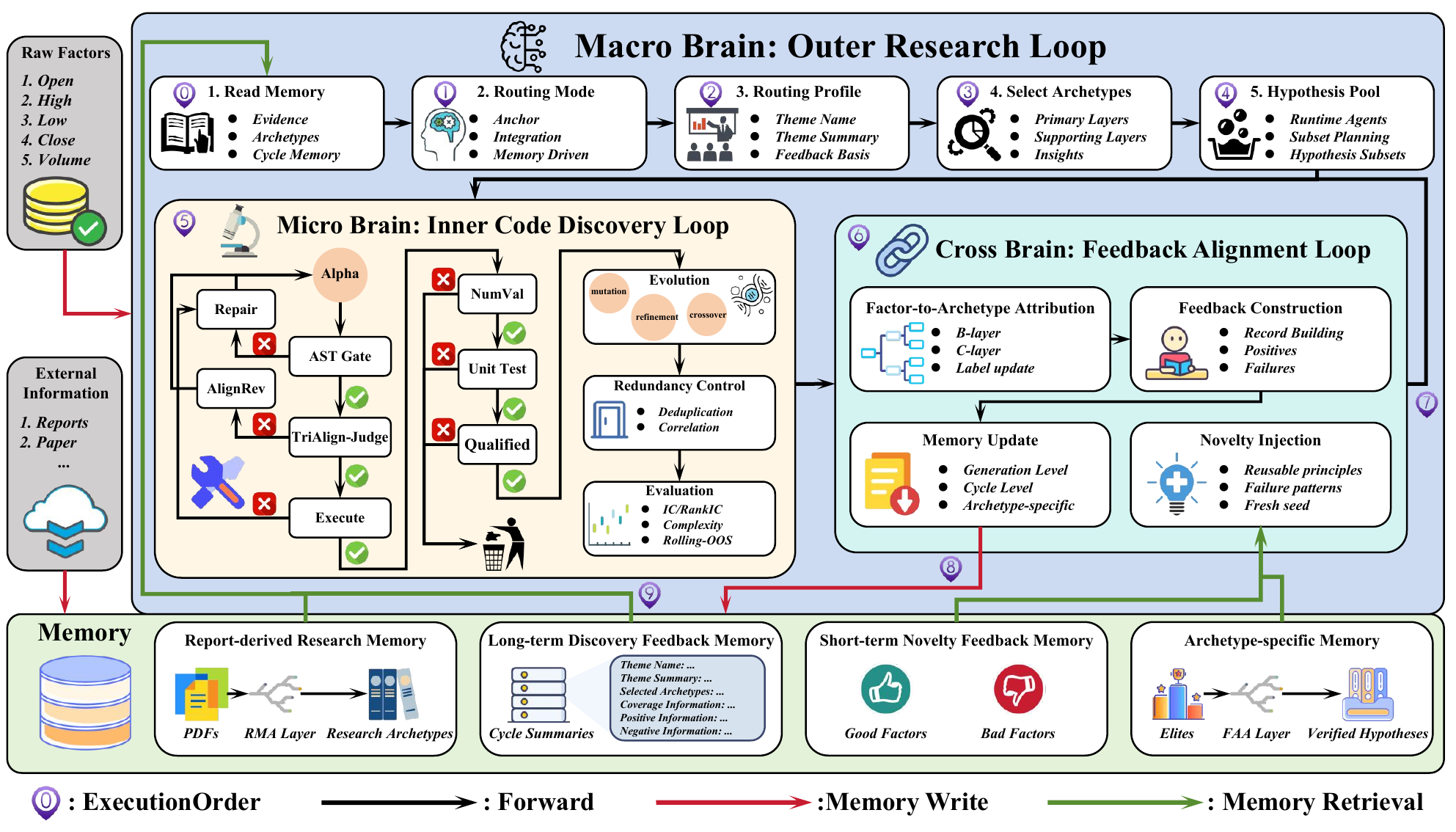
XALPHA: A Memory-Driven AI Quant Researcher for Hypothesis-to-Code Alpha Discovery

Fengyuan Liu, Yuchen Fu, Yuqi Wang, Qi Liu

arXiv preprint arXiv:2607.08332, 2026

Financial markets are noisy, non-stationary, and high-dimensional, making it difficult to discover predictive and robust trading signals. Alpha discovery has evolved from manual factor design to machine learning, evolutionary search, and recent LLM-based frameworks, improving the efficiency of factor generation, search, and evaluation.
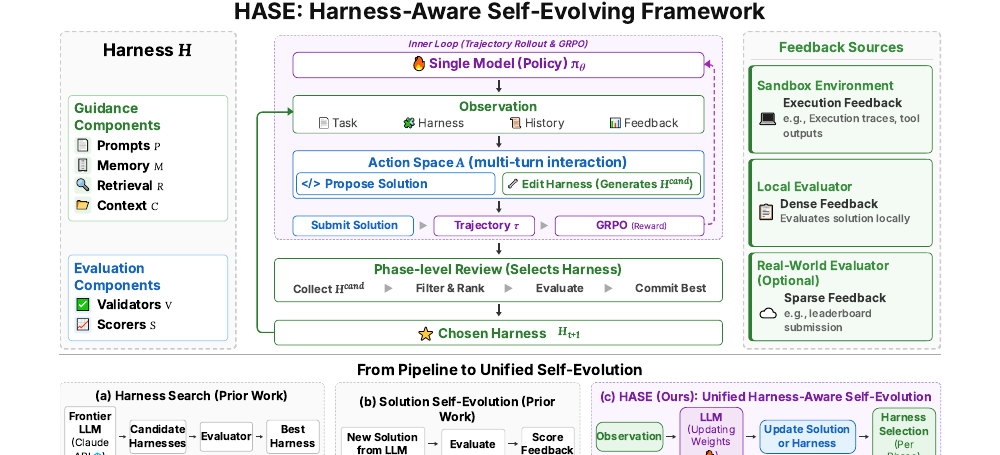
Harness-Aware Self-Evolving: Co-Evolving Model Weights, Harness, and Task Solutions

Haochen Luo, Yi Huang, Sichun Luo, Fengyuan Liu, Lei Li, Zefa Hu, Junlan Feng, Qi Liu

arXiv preprint arXiv:2607.03935, 2026

Self-evolving frameworks usually optimize task solutions while treating the surrounding harness as fixed. We introduce Harness-Aware Self-Evolving (HASE), an agentic reinforcement-learning framework in which a single model can generate task solutions or edit selected harness components in a multi-turn action space.

Cognitive Alpha Mining via LLM-Driven Code-Based Evolution

Fengyuan Liu, Yi Huang, Sichun Luo, Yuqi Wang, Yazheng Yang, Xinye Li, Zefa Hu, Junlan Feng, Qi Liu

Proceedings of the 64th Annual Meeting of the Association for Computational Linguistics (Volume 1: Long Papers), 2026

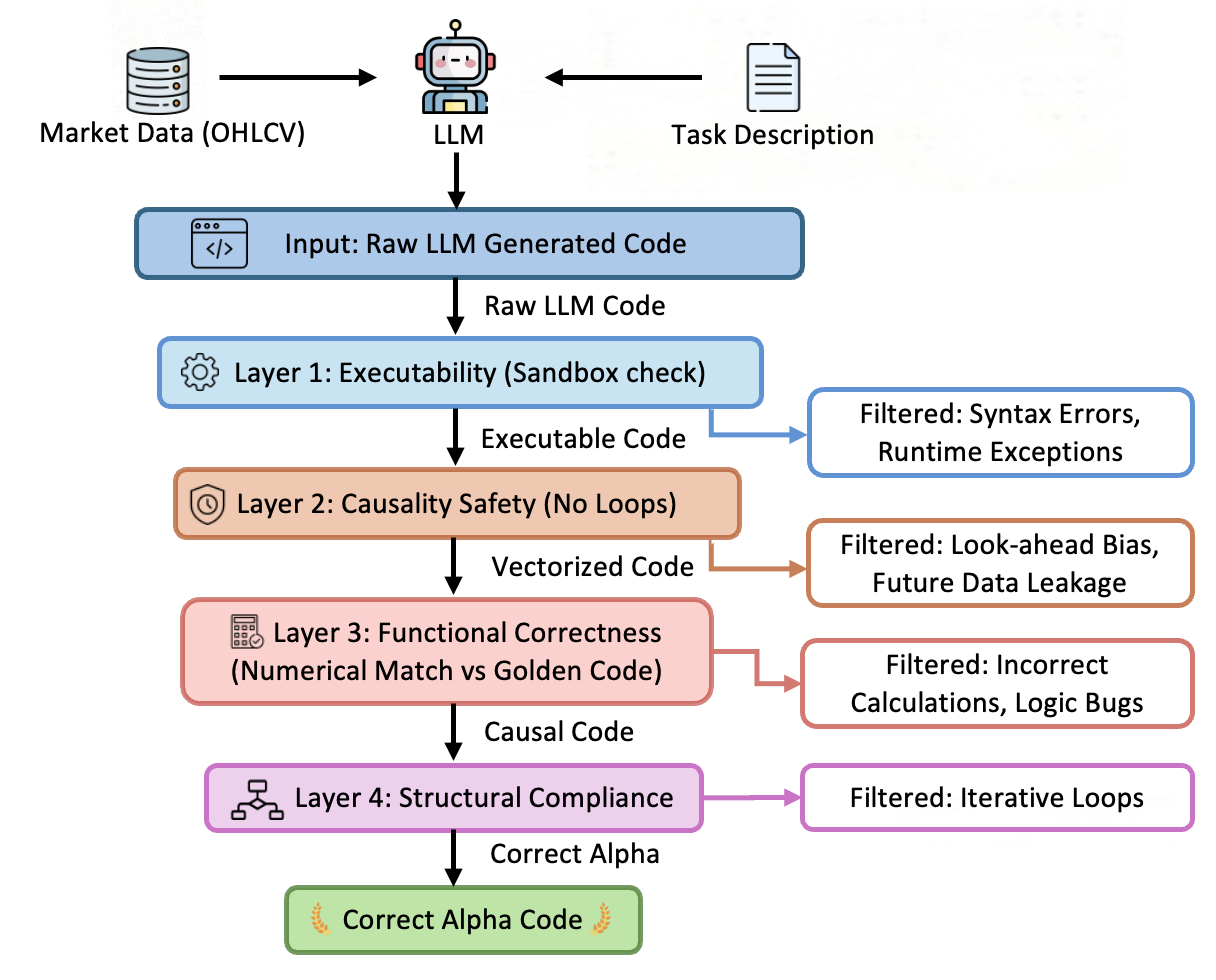
Discovering effective predictive signals, or “alphas,” from financial data with high dimensionality and extremely low signal-to-noise ratio remains a difficult open problem. Despite progress in deep learning, genetic programming, and, more recently, large language model (LLM)–based factor generation, existing approaches still explore only a narrow region of the vast alpha search space.

ALPHAQT-BENCH: Diagnosing the Gap between Financial Code Generation and Quantitative Reasoning in LLMs

Sichun Luo, Yi Huang, Shichang Meng, Fengyuan Liu, Mukai Li, Qinghua Yao, Zefa Hu, Junlan Feng, Qi Liu

Findings of the Association for Computational Linguistics: ACL 2026, 2026

Large Language Models (LLMs) are increasingly applied to alpha mining in quantitative finance, marking a shift from generating simple symbolic formulas to producing executable, code-based strategies. While code generation offers greater expressiveness, it introduces critical risks absent in symbolic approaches, including temporal causality violations (look-ahead bias) and stateful logic bugs.

A Collaborative Large Language Model for Drug Analysis

Hongjian Zhou, Fenglin Liu, Jinge Wu, Wenjun Zhang, Guowei Huang, Lei Clifton, David Eyre, Haochen Luo, Fengyuan Liu, Kim Branson, Patrick Schwab, Xian Wu, Yefeng Zheng, Anshul Thakur, David A Clifton

Nature Biomedical Engineering, 2026

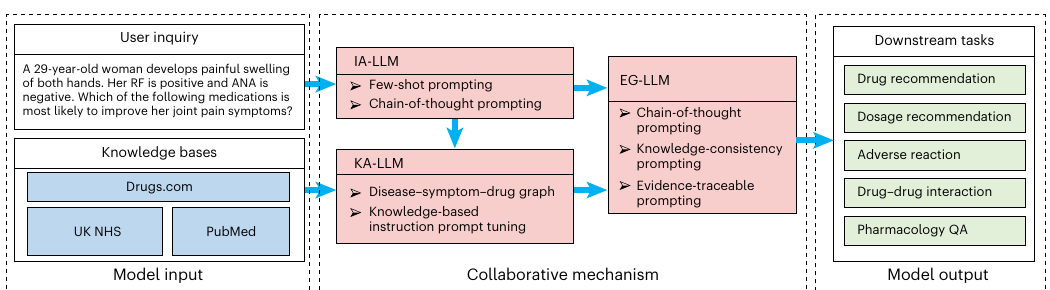
Large language models (LLMs), such as ChatGPT, have substantially helped in understanding human inquiries and generating textual content with human-level fluency. However, directly using LLMs in healthcare applications faces several problems.

SeaEvo: Advancing Algorithm Discovery with Strategy Space Evolution

Sichun Luo, Yi Huang, Haochen Luo, Fengyuan Liu, Guanzhi Deng, Lei Li, Qinghua Yao, Zefa Hu, Junlan Feng, Qi Liu

arXiv preprint arXiv:2604.24372, 2026

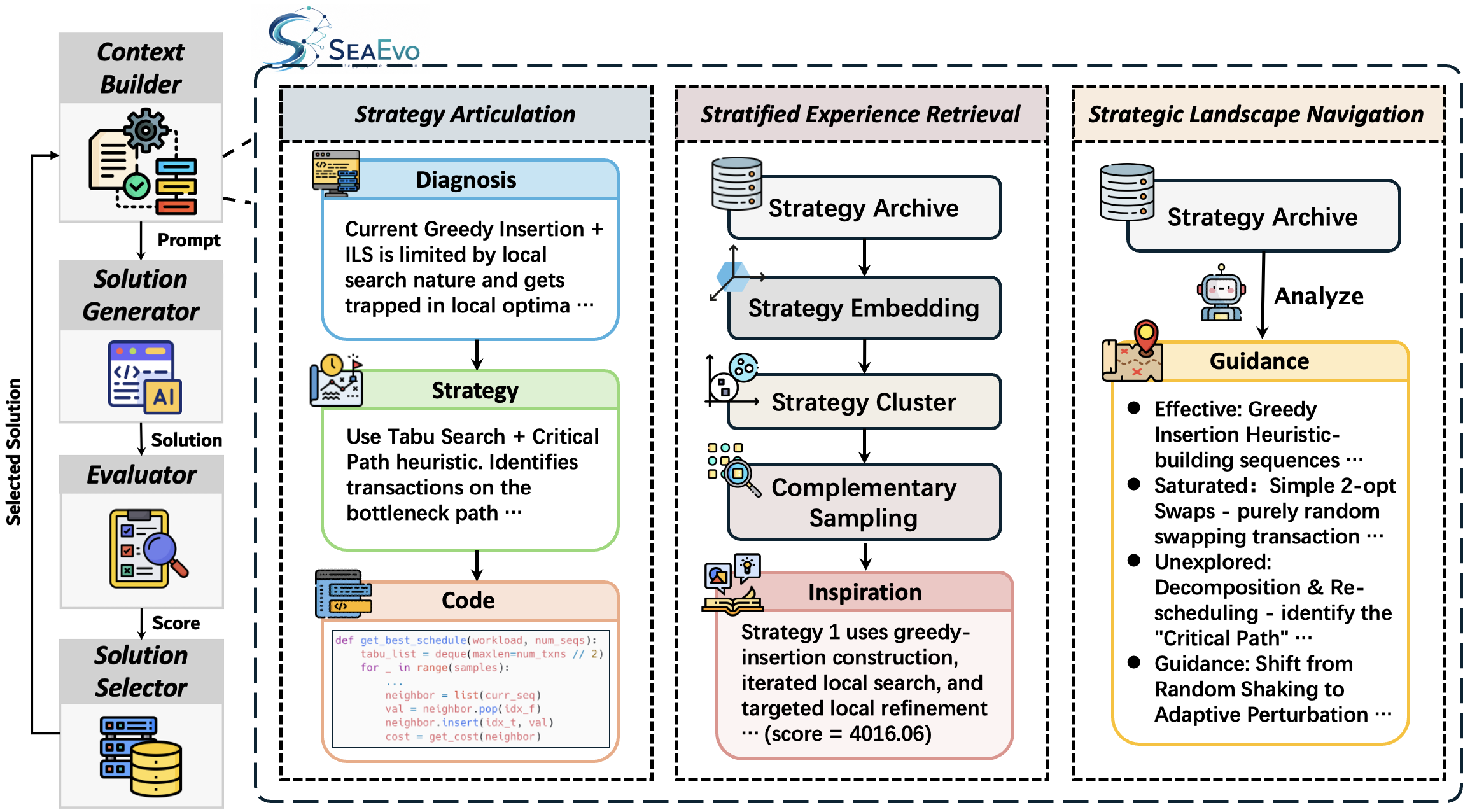
Large Language Model (LLM)-guided evolutionary search is increasingly used for automated algorithm discovery, yet most current methods track search progress primarily through executable programs and scalar fitness. Even when natural-language reasoning is used through heuristic descriptions or reflection, it typically remains transient mutation context or unstructured memory, rather than organized as persistent population-level state over strategic directions.

2025

ClarifyMT-Bench: Benchmarking and Improving Multi-Turn Clarification for Conversational Large Language Models

Sichun Luo, Yi Huang, Mukai Li, Shichang Meng, Fengyuan Liu, Zefa Hu, Junlan Feng, Qi Liu

arXiv preprint arXiv:2512.21120, 2025

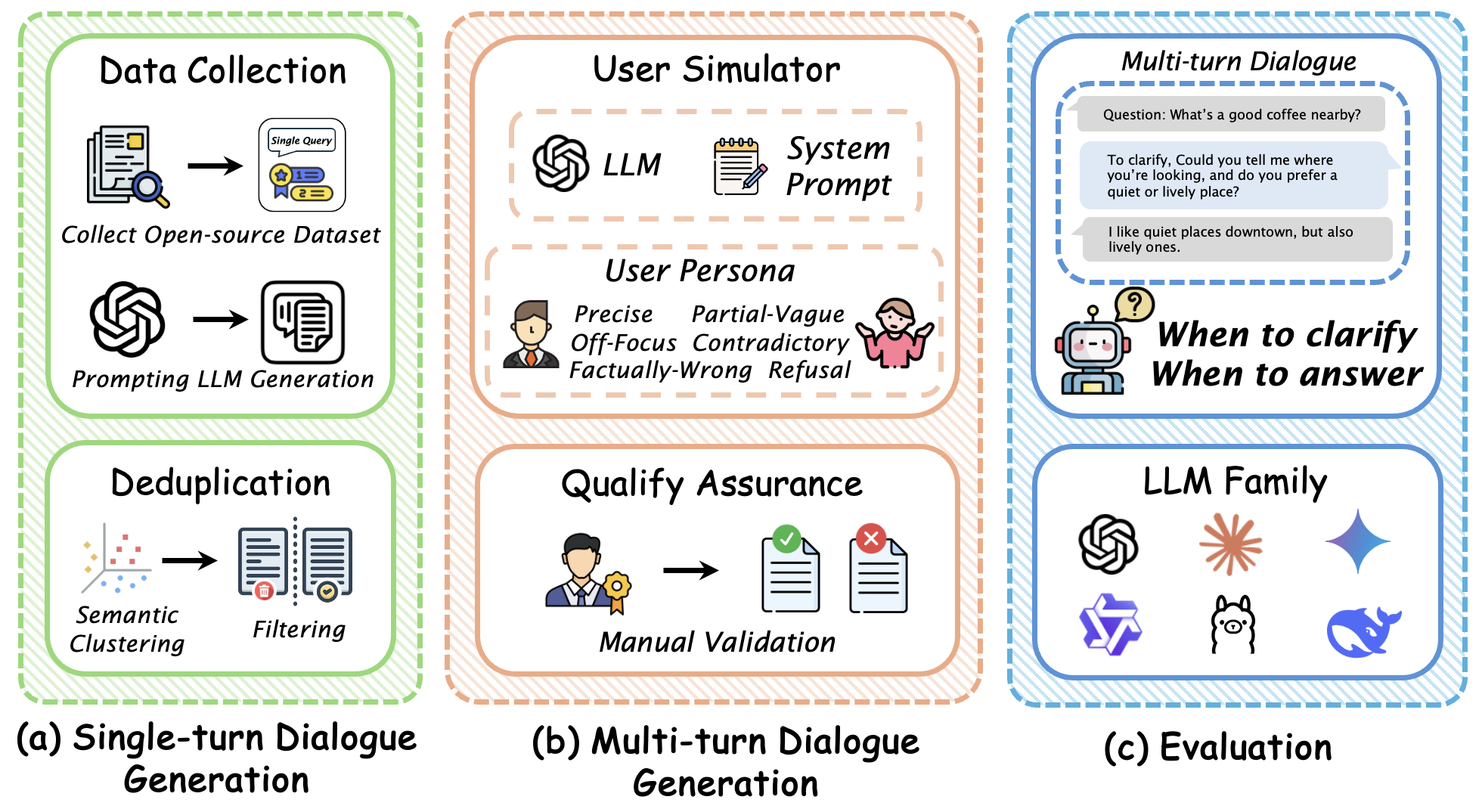
Large language models (LLMs) are increasingly deployed as conversational assistants in open-domain, multi-turn settings, where users often provide incomplete or ambiguous information. However, existing LLM-focused clarification benchmarks primarily assume single-turn interactions or cooperative users, limiting their ability to evaluate clarification behavior in realistic settings.

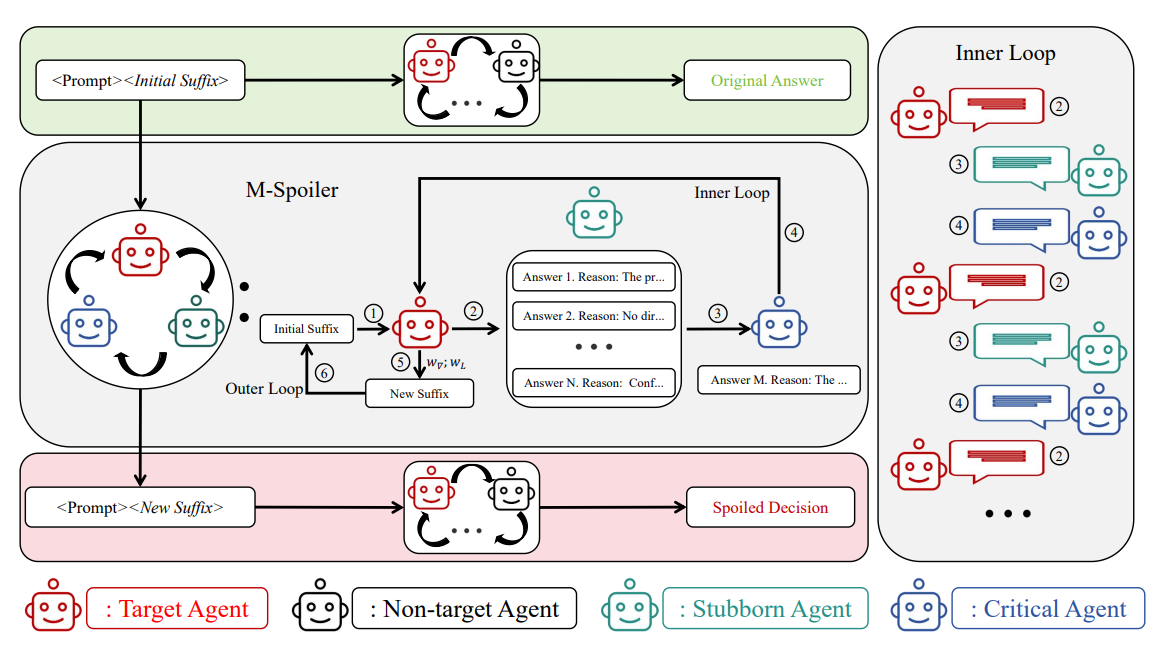
Can an Individual Manipulate the Collective Decisions of Multi-Agents?

Fengyuan Liu, Rui Zhao, Shuo Chen, Guohao Li, Philip Torr, Lei Han, Jindong Gu

Proceedings of the 2025 Conference on Empirical Methods in Natural Language Processing, 2025

Individual Large Language Models (LLMs) have demonstrated significant capabilities across various domains, such as healthcare and law. Recent studies also show that coordinated multi-agent systems exhibit enhanced decision-making and reasoning abilities through collaboration.

2024

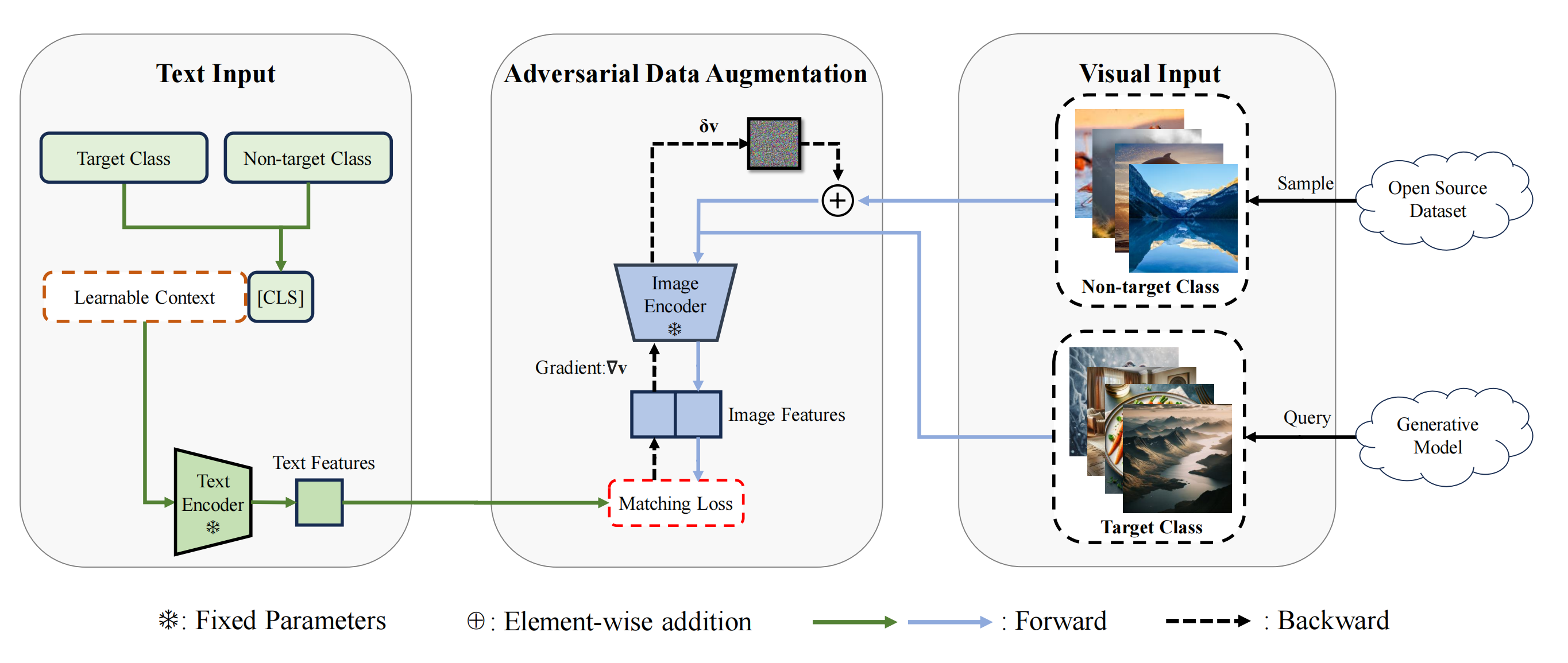
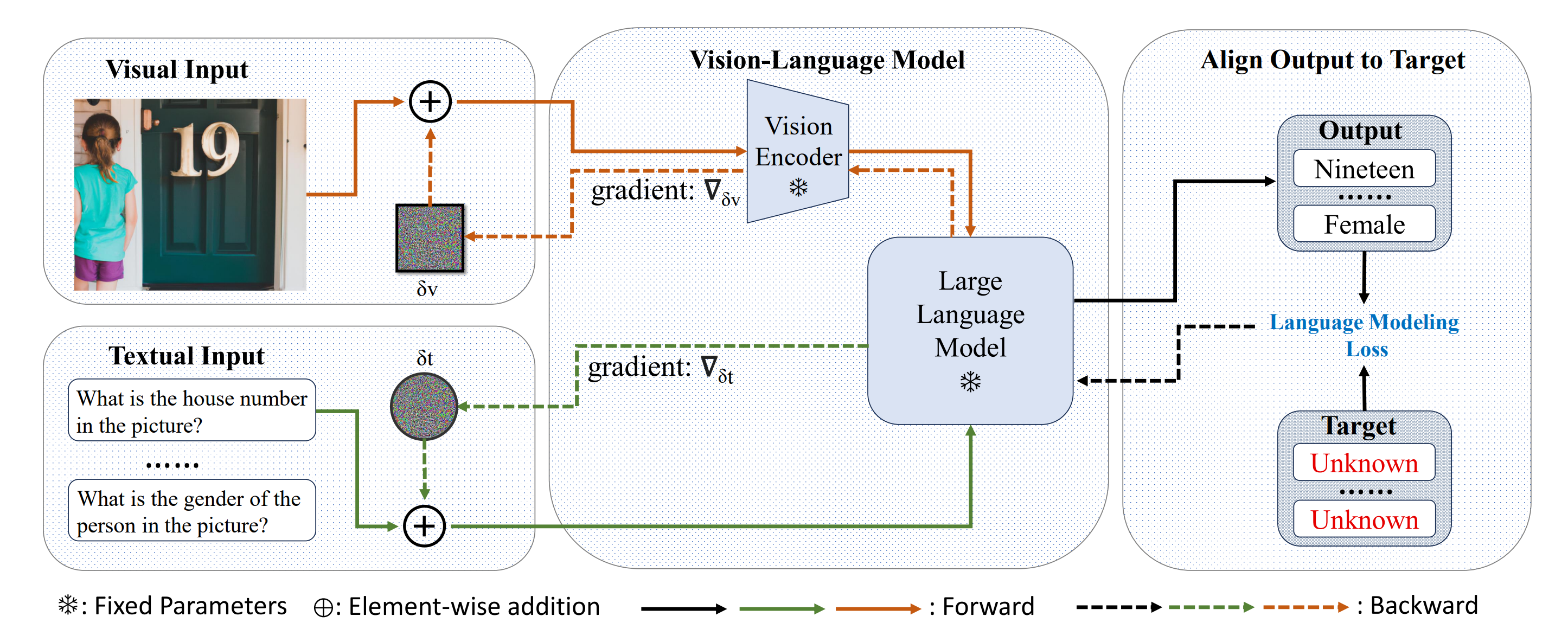
An Image Is Worth 1000 Lies: Adversarial Transferability across Prompts on Vision-Language Models

Haochen Luo*, Jindong Gu*, Fengyuan Liu, Philip Torr (* equal contribution)

International Conference on Learning Representations (ICLR 2024), 2024

Different from traditional task-specific vision models, recent large VLMs can readily adapt to different vision tasks by simply using different textual instructions, i.e., prompts. However, a well-known concern about traditional task-specific vision models is that they can be misled by imperceptible adversarial perturbations.

2023

OpenFE: Automated Feature Generation with Expert-Level Performance

Tianping Zhang, Zheyu Aqa Zhang, Zhiyuan Fan, Haoyan Luo, Fengyuan Liu, Qian Liu, Wei Cao, Li Jian

International Conference on Machine Learning (ICML 2023), 2023

The goal of automated feature generation is to liberate machine learning experts from the laborious task of manual feature generation, which is crucial for improving the learning performance of tabular data. The major challenge in automated feature generation is to efficiently and accurately identify effective features from a vast pool of candidate features.